
We’re on the edge of a strange new legal frontier.
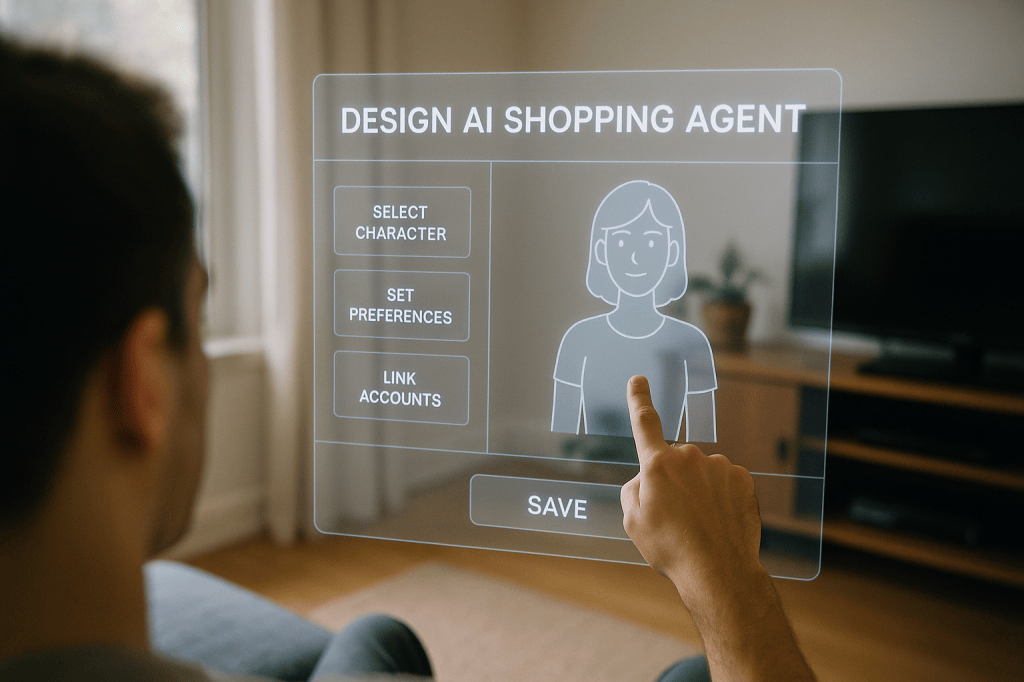
For centuries, law has centered on natural persons (humans) and legal persons (corporations, governments). Now we face a third category: digital persons — the AI agents we authorize to speak, decide, and spend on our behalf.
These aren’t independent beings. They’re extensions of us, built on our data, trained on our preferences. But when they act in the world — signing contracts, making purchases, even misrepresenting us — the question becomes: what rights and responsibilities should they have?
This is the unfinished work of “policy for personhood.”
From Power of Attorney to Digital Proxy
The closest precedent in law is the power of attorney — giving another human the authority to act on your behalf. Guardianships for minors, conservatorships for the elderly, corporate officers with fiduciary duties — all versions of delegated agency.
But AI agents complicate this. They can act instantly, globally, and at scale. They don’t tire. They don’t forget. They also don’t understand morality in the way humans do.
Shoshana Zuboff put it bluntly: “Delegation to machines isn’t the same as delegation to people. A human proxy has judgment; a machine proxy has rules.”
So how do we translate centuries of law into code?
The Case for an Agent Charter
Some scholars propose a Digital Agent Charter: a portable set of constraints and permissions you define for your AI, akin to a legal wrapper.
Your charter might say:
- Never spend more than $200 without explicit approval.
- Never sign long-term contracts.
- Always prioritize sustainability over price when equivalent.
- Never share personal medical data without written consent.
The charter becomes both a shield (protecting you from rogue actions) and a contract (other parties know the terms under which your agent operates).
Neil Richards, law professor at Washington University, argues: “Without portable charters, consumers risk becoming captives of platforms. With them, we restore agency by encoding values at the point of transaction.”
Revocation Rights: The Kill Switch
Any serious policy framework needs one principle above all: revocability.
If your agent makes a bad purchase, you should have the right to cancel it. If it leaks data, you should be able to revoke consent. If it goes rogue, you need a one-gesture kill switch.
The European Union’s new AI Act (2024) takes a first step, requiring providers of general-purpose AI to include “safeguards for human oversight.” California’s “Delete Act” is another precedent, mandating that consumers can revoke data-sharing across all brokers through a single portal.
But these are fragments. We need a coherent vision: every agent must be cancellable, traceable, and accountable to its human.
The Liability Question
Here’s the thorniest issue: if your agent lies, who’s responsible?
- If my agent exaggerates my income to get a loan, is that fraud?
- If a corporate agent manipulates yours into accepting unfair terms, is the company liable, or just “the algorithm”?
- If two agents collude, does that count as collusion under antitrust law?
Legal scholars like Frank Pasquale have argued for a “responsibility chain”: the human remains responsible for intent, the company for deployment, and the platform for technical guardrails. Without this, blame will evaporate into the code.
As Pasquale puts it: “Without clear chains of accountability, we risk creating the perfect crime: harm without a culprit.”
Guardrails Against Exploitation
History tells us that new intermediaries are often weaponized against the vulnerable. Payday lenders. Shady brokers. Predatory apps.
Agents could either reverse that — protecting consumers by negotiating hard limits — or accelerate it, by being tuned to squeeze every possible dollar.
Policy has to anticipate exploitation:
- Default protections for minors, elderly, and cognitively impaired users.
- Transparency logs so consumers can see exactly what their agent agreed to.
- Third-party audits of corporate agents to prevent manipulative tactics.
Otherwise, trust in agent ecosystems could collapse before they ever stabilize.
Cultural Questions of Identity
Beyond law, there’s the cultural dimension: if your agent speaks for you, does it become part of your identity?
Philosopher Luciano Floridi describes digital agents as “inforgs” — informational organisms that extend the self. If that’s true, stripping them of rights may feel like stripping us of dignity.
But full “personhood” for agents is a dangerous slope. They aren’t moral beings. They’re tools, however intimate. The right balance is to grant them functional authority without confusing them for autonomous citizens.
Or as Genevieve Bell says: “They’re not people. But they are mirrors. Policy has to honor the human behind the reflection.”
Everyday Scenarios
To ground this, imagine a few lived cases:
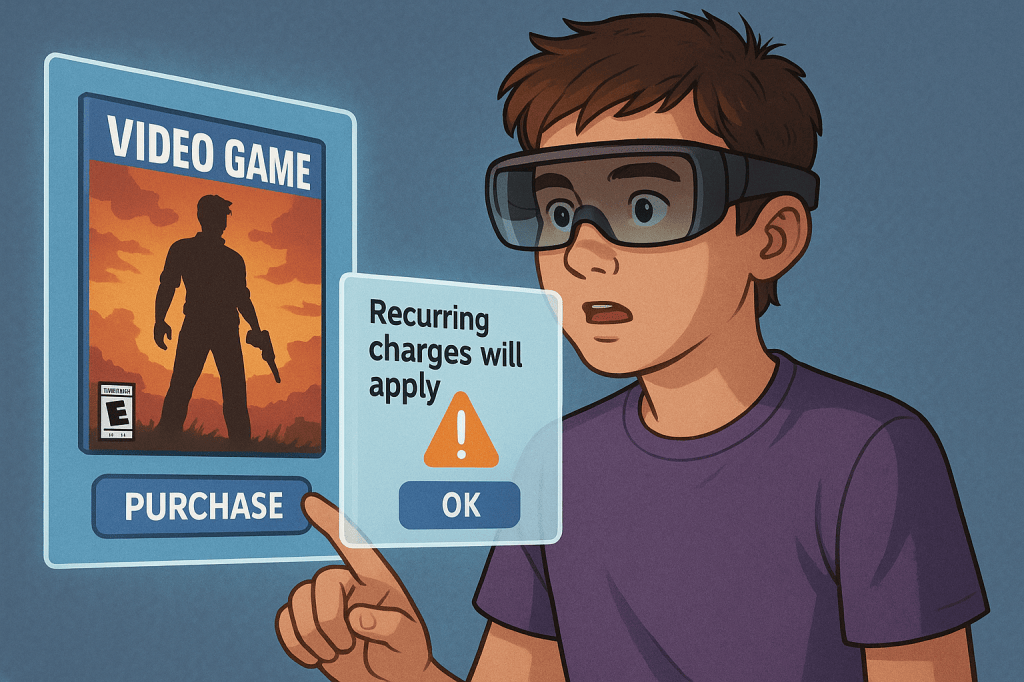
- A teenager’s agent signs up for an online game that includes predatory microtransactions. Should policy force the system to flag and block that?
- A caregiver’s agent shares medical data with a hospital AI to speed up treatment. Should policy enforce tight consent and expiration controls?
- A small shop owner’s agent negotiates with a supplier’s agent, but loses out due to asymmetry. Should regulators mandate fair-play standards?
These aren’t edge cases. They’re the fabric of daily life once agents become default.
Reflections
Policy for personhood is not about granting AI souls. It’s about protecting ours.
Our agents are extensions of us: our preferences, our constraints, our values. They deserve a legal framework that treats them as serious actors — but always as representatives, never as independent beings.
The work ahead is messy: drafting charters, building kill switches, clarifying liability, enforcing transparency. But the goal is simple: to ensure that in an age of digital proxies, humans remain the true principals.
We don’t have all the answers. The frameworks are still forming. But if we get this right, agents won’t diminish our personhood. They’ll amplify it.
Because policy for personhood is ultimately about policy for people.


Leave a Reply