
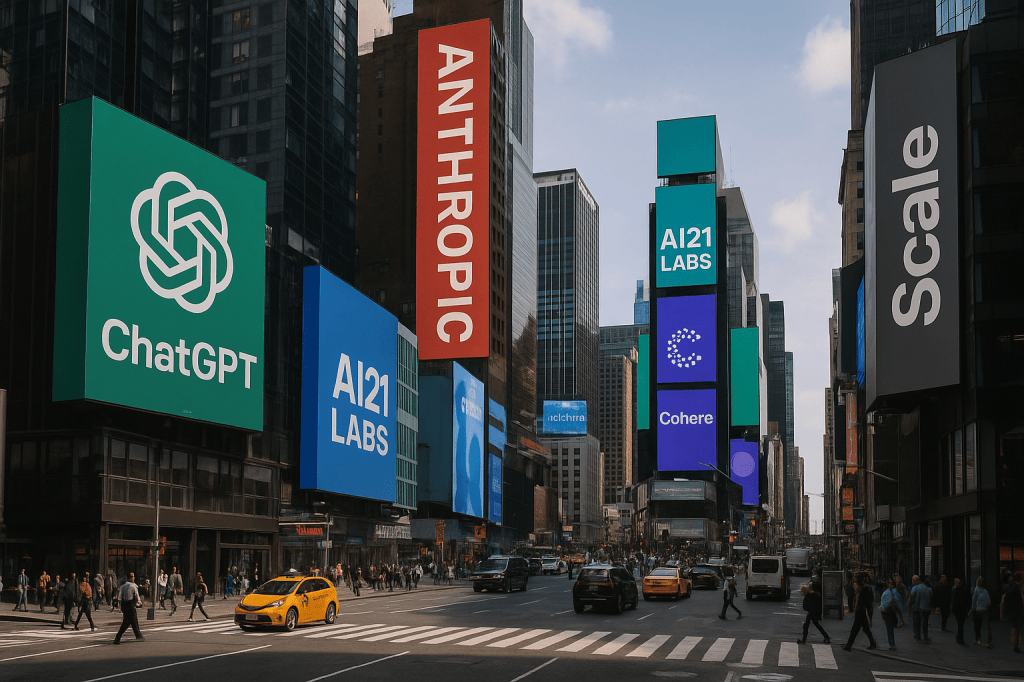
Advertising has always been about attention. Billboards on highways, 30-second TV spots, Google AdWords, Instagram influencers — each one designed to insert a message into the precious seconds of your gaze.
But what happens when the gaze is gone?
In an agent-mediated economy, your personal AI is doing the looking. It doesn’t watch the Super Bowl. It doesn’t scroll Instagram. It doesn’t “get influenced.” It only cares about your constraints — budget, values, preferences — and it negotiates directly with company agents.
In that world, advertising as we know it collapses. But commerce doesn’t stop. It reinvents itself. And the reinvention may be bigger than the shift from print to digital, or digital to social.
When Ads Don’t Matter
Already, the signs are here.
- Google’s AI Overviews now surface answers directly, cutting clicks to underlying websites by 20–40% in some categories, according to BrightEdge.
- ChatGPT’s partnerships with companies like News Corp and Reddit are about licensed content — not ads — as sources for answers.
- Consumers under 30 report higher trust in “recommendations from AI assistants” than in traditional brand ads, according to PwC’s 2024 Consumer Insights survey.
The personal AI agent is filtering everything. And if your brand’s product isn’t structured and trustworthy enough to be selected, no amount of ad spend will matter.
As Scott Galloway put it: “Ads are designed for humans. Agents don’t click on them. They don’t care about your brand story. They just care about facts.”
Retail Media as the Bridge
For now, retail media — advertising inside Amazon, Walmart, or Instacart ecosystems — is booming. GroupM projects retail media will surpass linear TV ad spend by 2025. Why? Because it’s close to the point of purchase, where intent is clearest.
But even retail media has an expiration date. Once your agent is negotiating with Walmart’s agent directly, you won’t see the promoted slot at the top of the screen. Your agent will only care whether the product meets your criteria.
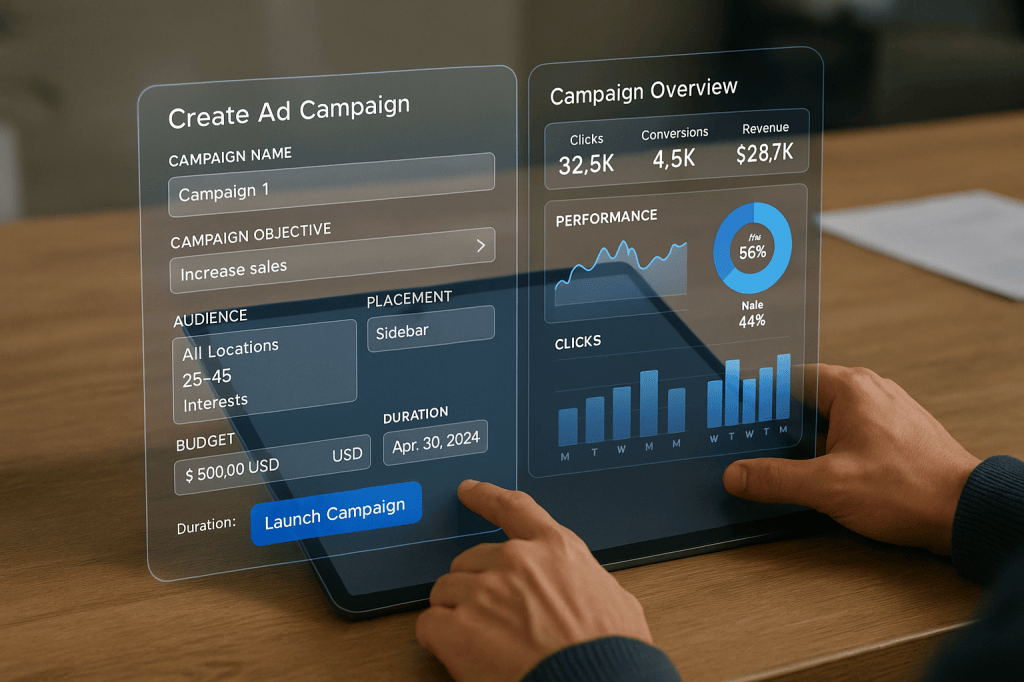
Retail media may evolve into agent media: structured product feeds, verified claims, and transparent performance data that brand agents submit for visibility. Less Mad Men, more machine-readable catalogs.
Citable Brands: The New Creative
If humans aren’t the audience, what replaces creativity?
One answer: citability.
Answer engines select sources they can cite with confidence. If your brand produces clear, factual, verifiable statements, you’re more likely to be surfaced. Being cited becomes the new impression; being trusted becomes the new click-through.
That doesn’t mean creativity dies. It just shifts. The creative challenge is no longer a viral slogan — it’s designing information architectures that are compelling to both agents and humans.
Think “nutrition label meets storytelling.” Precision facts wrapped in enough narrative to make sense when the agent translates them back for us.
Data as Ad Spend
For decades, advertising spend was measured in media dollars. Tomorrow, it may be measured in data licensing fees.
OpenAI’s $250M licensing deal with News Corp wasn’t about placing ads — it was about ensuring access to trusted content for AI answers. The economics of advertising may shift from “pay for attention” to “pay for inclusion.”
That raises hard equity questions. If only big players can afford to license their way into models, small businesses may get shut out. Policymakers will need to ask: should agent ecosystems be open like the web, or walled like app stores?
Risks of a Quiet Collapse
The collapse of advertising isn’t all upside. Billions of jobs and industries depend on it — from creative agencies to publishers funded by ad impressions.
- Local news: already struggling, could vanish entirely if traffic from search collapses.
- Small creators: influencers and niche communities may lose reach if agents skip human feeds.
- Cultural signals: ads don’t just sell; they shape norms, aesthetics, and collective reference points.
“The disappearance of ads is also the disappearance of a shared culture,” warns media scholar Ethan Zuckerman. “We may not miss the noise, but we may miss the common ground.”
Optimism: A Cleaner Market
And yet, there’s a strong case for optimism.
- Less manipulation: Agents can filter out ads designed to exploit human psychology.
- More transparency: Offers will be compared directly on performance, not emotional persuasion.
- Better alignment: Brands that actually meet consumer values — sustainability, fair labor, local sourcing — may rise faster when agents optimize for them.
Instead of being nudged by jingles, we might finally be choosing based on truth.
As Mastercard’s Raja Rajamannar said recently: “The next era isn’t advertising to consumers. It’s proving your product to machines. That could make marketing radically more honest.”
Everyday Ripples
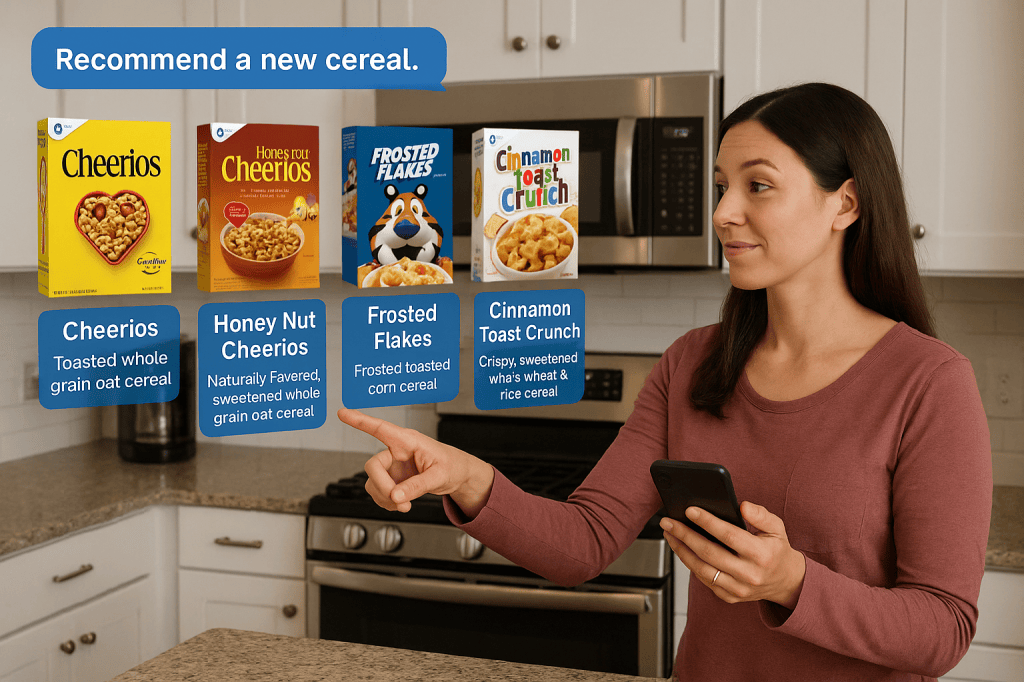
- A parent asks their agent for a cereal. No cartoon mascots, no TV jingles — just nutrition data and price comparisons.
- A teen wants new shoes. Their agent filters TikTok hype against real durability scores. Some brands vanish, others shine.
- A local bakery thrives because its sustainability certifications are machine-readable and surface in every neighborhood agent’s shortlist.
Advertising isn’t gone. It’s just invisible — baked into structured data, proofs, and claims, rather than splashy billboards.
Reflections
The collapse of advertising as we know it will feel strange. Streets without billboards. Apps without pop-ups. Fewer jingles stuck in our heads.
But the reinvention may be healthier. If brands compete not for attention but for agent trust, if success depends on verifiable claims rather than manipulation, then consumers win.
Of course, risks remain — concentrated power, loss of cultural texture, inequitable access for smaller players. But the direction is set: the market is shifting from persuasion to proof.
We don’t yet know what kind of culture will grow when the noise fades. But perhaps, for the first time in decades, what wins won’t be who shouts loudest — but who speaks the clearest.


Leave a Reply